After a hair transplant, the general recommendation is to avoid sports and physical activity for the first week. Return gradually after that, based on scalp healing and the type of activity. Activities that immerse the head, including swimming, are generally delayed for two weeks to one month. Your surgical team's instructions take priority because procedures and recovery differ.consensus

Why pause exercise?
The early goal is to avoid bumping or rubbing the recipient area. An international expert consensus recommends avoiding sports and physical activity for the first week and avoiding pressure on the recipient area for the first two weeks.consensus
There is not enough evidence to claim that exercise increases scalp blood flow in a way that speeds graft survival. A gradual return helps you resume normal activity safely while the scalp heals.
A practical timeline by activity
These are general ranges based on the consensus and the likelihood of impact or pressure. Follow different instructions from your surgical team, particularly if crusting, bleeding, pain, or swelling remains.
| Activity | General return point | What to check |
|---|---|---|
| Gentle walking | Gradually after the first week | Avoid impact, rubbing, and pressure. |
| Jogging or weights | Gradually once the scalp is stable | Ask about heavy lifting, head contact, and tight equipment. |
| Golf | Light play after the first week | Make sure a hat and sun exposure do not irritate treated areas. |
| Tennis or contact sports | Wait until collision risk is low | Consider contact from a ball, racket, or another person. |
| Swimming | Usually after two weeks to one month | Confirm when head immersion is appropriate.consensus |
Treat these dates as ranges, not automatic clearance. A slow indoor walk and a long walk in hot weather place different demands on the scalp. Start with a short, easy session rather than returning to your previous duration and intensity at once.
Checklist before you restart
Looking at the wound is more useful than relying on the calendar alone. Check that:
- there is no new bleeding or drainage at rest;
- swelling and pain are improving rather than becoming worse;
- the activity does not require a tight cap, band, or helmet;
- a ball, equipment, or another person is unlikely to strike the scalp; and
- you can clean sweat away using the method given by the clinic.
After FUT, ask separately about heavy lifting and movements that pull on the donor incision. FUE also needs a gradual return when a large donor area was used or swelling and bleeding remain.
What matters for each activity?
Walking and light cardio
Begin with a short session at an intensity that still allows conversation. Long walks in heat and repeated bending can increase sweating and discomfort, so choose a cool, controlled setting at first.
Weight training and hard exercise
Straining and holding your breath during a heavy lift can briefly raise blood pressure. Start with lighter loads and stop if bleeding or throbbing develops. Make sure benches, bars, and straps do not touch the donor or recipient area.
Golf and tennis
Consider sunlight, headwear, and accidental impact as well as exertion. Golf can involve hours of sun exposure, while tennis adds the chance of contact with a ball or racket. Check that any hat does not press or drag across grafts.
Swimming and saunas
The main concern with swimming is immersing the scalp. Pool or sea water and a tight swim cap can be a problem while wounds are healing. Saunas and very hot baths also increase heat and sweating, so wait until the surgical team allows them.
Image by Keith Johnston from Pixabay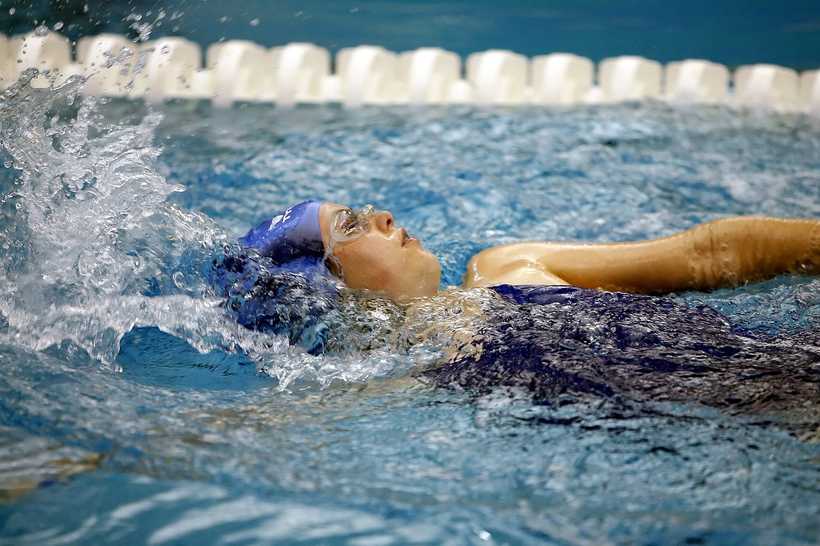
What about hats and sports equipment?
The consensus says a loose cap or hat may be worn immediately after surgery, while also advising that pressure on the recipient area be avoided for the first two weeks.consensus If a hat, helmet, or headband touches or rubs the grafts, ask the surgical team when that item is safe.
The same consensus recommends avoiding direct sunlight on both donor and recipient areas for at least one month, which matters for outdoor exercise.consensus
When to stop and contact the clinic
Stop exercising and contact the surgical team if bleeding restarts or if pain, swelling, redness, discharge, or signs of infection increase. The condition of the scalp matters more than a date on the calendar.
Summary
Avoid exercise for the first week, then return gradually with activities that do not expose the recipient area to impact or pressure. Swimming is generally delayed for two weeks to one month. Ask the surgical team for the final timing because the procedure and healing course affect what is safe.
- Vañó-Galván S, et al. An international expert consensus statement focusing on pre and post hair transplantation care. Journal of Dermatological Treatment. 2023;34(1):2232065. doi:10.1080/09546634.2023.2232065.↩